Call: (833) 477-0661
Mental Health Treatment Center / Blog / Why Is PTSD Hard to Diagnose?
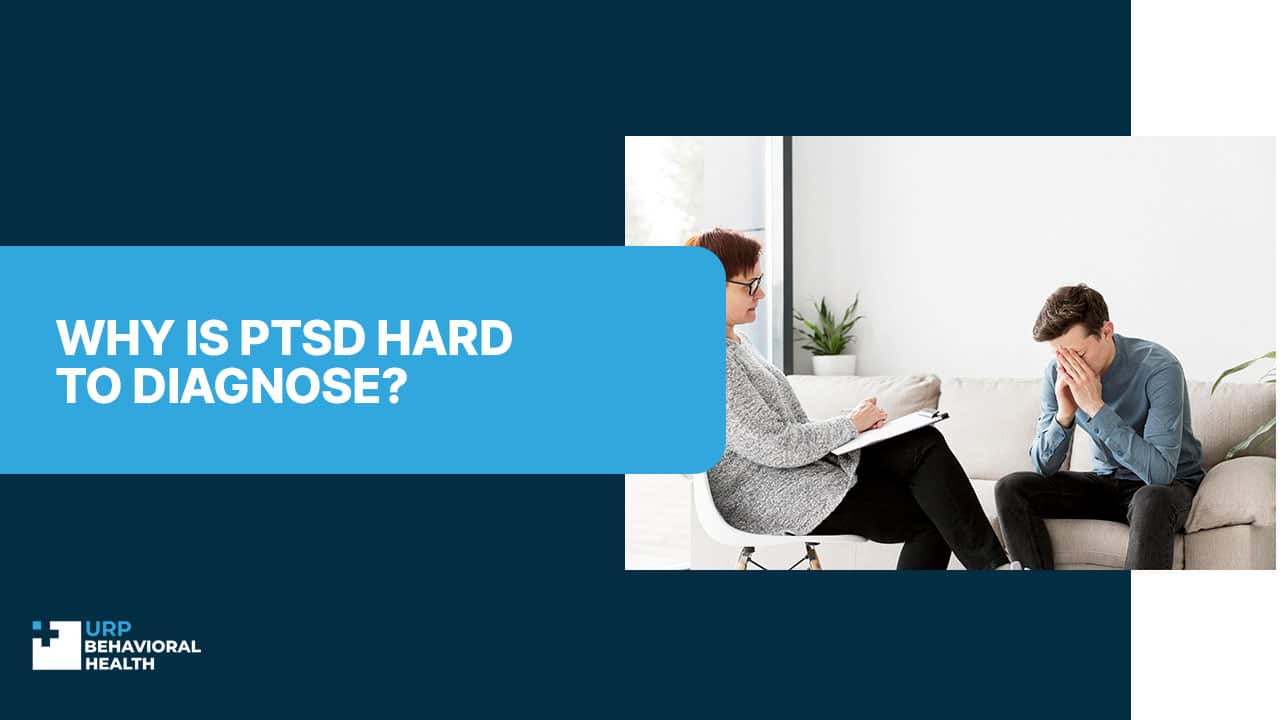
Why Is PTSD Hard to Diagnose?

Why Is PTSD Hard to Diagnose?

Symptoms of PTSD, substance abuse disorders, depression, and anxiety often present alongside other mental health conditions make it difficult to diagnose, making diagnosis challenging. PTSD symptoms may often arise in conjunction with similar emotional and physical responses, hindering medical professionals from conclusively testing for PTSD.

PTSD can be categorized and exhibited differently by individuals, depending on the type of trauma and their own unique coping mechanisms. Symptoms vary significantly, ranging from ominous thoughts and hallucinations to emotional numbness and hypervigilance, which may not always be identified as trauma. The presence of symptoms may not be apparent immediately, emerging years after the trauma, making diagnosis a bit more difficult.

Take the First Step Toward Recovery

Don’t wait - confidential help is available right now for you or your loved one.

Furthermore, individuals with PTSD may not always be able to identify their traumatic experiences when speaking out about it, as a result of stigma, lack of awareness, or difficulty recognizing the link between their symptoms and past trauma. Healthcare professionals find it more complicated to diagnose PTSD in patients with complex mental health diagnoses, which often require a more comprehensive history of the symptoms and past experiences than previously reported.

Conditions Treated
Latest Articles
Long-Term Effects of Anxiety

According to the World Health Organization, nearly 4% of Earth’s inhabitants currently struggle with an anxiety disorder [1]. This translates to an astounding 300+ million people! High expectations streamed through social media, economic instability, and other stressful factors make it challenging to find an entirely calm person. Let’s acknowledge the long term effects of anxiety […]

Read More
BPD Screening Test
BPD Screening Test

Borderline personality disorder encompasses a mixture of traits and symptoms [1], and experiencing intense emotions might make you wonder if you are on the BPD spectrum. Test options for self-assessment can’t diagnose BPD, but provide a valuable insight into whether to address a mental health professional. How to get tested for BPD? What does borderline […]

Read More
Is Asexuality a Trauma Response?

The lack of sexual attraction is thought to be the main definition of asexuality, which is an orientation that by itself does not really account for a response to trauma, or any number of trauma-like experiences. For asexual persons, little to no sexual attraction is felt for other people. Asexuality is a normal and natural […]

Read More

    Explore Your Treatment Coverage

    Fill out the Insurance Verification Form Below

    Security is Our Top Priority - Your Information is 100% Confidential

    Let us guide you towards healing

    We know that seeking treatment can be overwhelming, but our staff is here to make the process as smooth as possible. We’re available 24/7 to address any questions or concerns you may have.

    Let Us Guide You Towards Healing