Call: (833) 477-0661
Mental Health Treatment Center / Blog / What Happens if I Tell My Therapist I Self Harm?
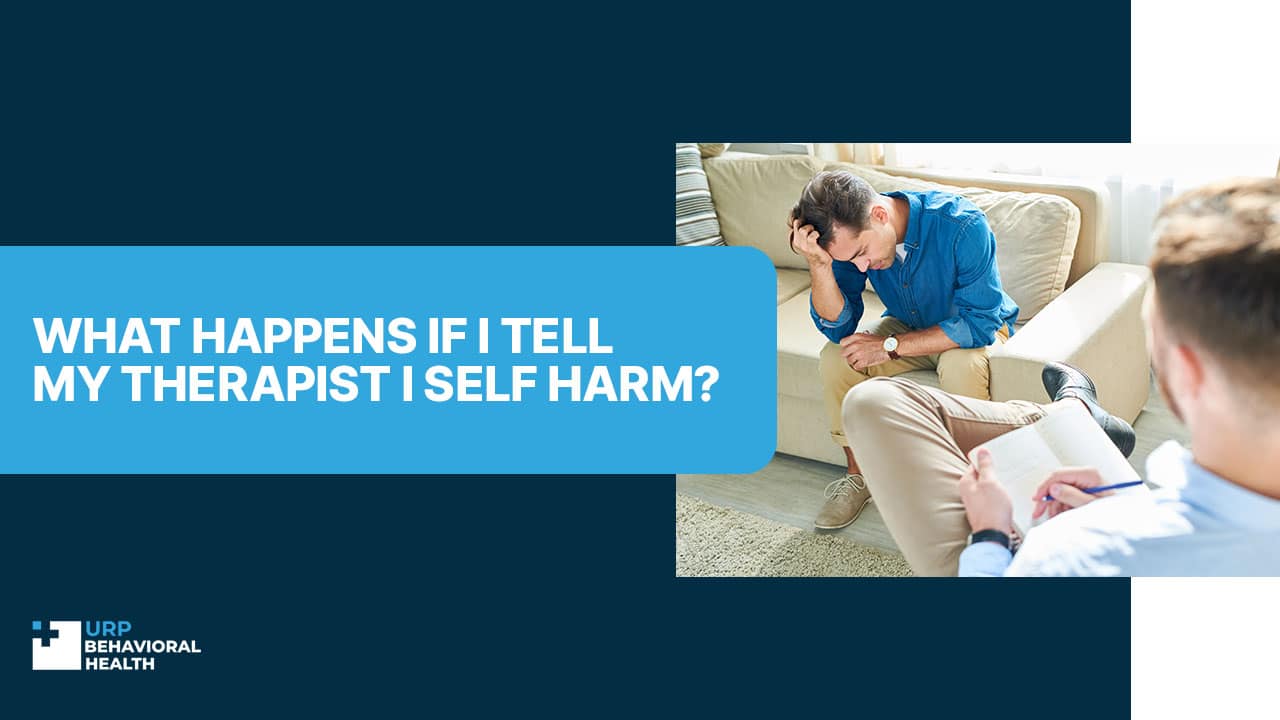
What Happens if I Tell My Therapist I Self Harm?

What Happens if I Tell My Therapist I Self Harm?

Self-harm is a serious problem for those suffering from a variety of mental diseases. It is usually expressed in the following ways of harming yourself:

  • Cutting;
  • Burning;
  • Biting;
  • Scratching;
  • Hitting;
  • Hair pulling;
  • Overdosing;
  • Taking pointless and dangerous risks.

Whenever you tell your therapist you self-harm, there is no need to worry. A therapist will never judge you or tell anyone about your problems. In URP you can always rely on our doctors as they always provide confidentiality, safety, and support for each patient. Your therapist will work with you to create a safety plan, which may include identifying coping strategies, alternative behaviors, and support systems to help manage the urge to self-harm.

Hope, Healing, and Support - All in One Place

Contact our admissions team now to begin your path toward a brighter future.

Conditions Treated
Latest Articles
BPD Screening Test
BPD Screening Test

Borderline personality disorder encompasses a mixture of traits and symptoms [1], and experiencing intense emotions might make you wonder if you are on the BPD spectrum. Test options for self-assessment can’t diagnose BPD, but provide a valuable insight into whether to address a mental health professional. How to get tested for BPD? What does borderline […]

Read More
Is Asexuality a Trauma Response?

The lack of sexual attraction is thought to be the main definition of asexuality, which is an orientation that by itself does not really account for a response to trauma, or any number of trauma-like experiences. For asexual persons, little to no sexual attraction is felt for other people. Asexuality is a normal and natural […]

Read More
Narcissism vs Psychopathy: Key Differences You Should Know

Both psychopathy and narcissism belong to Cluster B in the Diagnostic and Statistical Manual of Mental Disorders (DSM-5) [1]. No wonder they share some overlapping symptoms such as manipulative tendencies, a lack of empathy, and unpredictable behaviors. What is the difference between psychopathy and narcissism? Read on this comprehensive psychopathy vs narcissism comparison to recognize […]

Read More

    Explore Your Treatment Coverage

    Fill out the Insurance Verification Form Below

    Security is Our Top Priority - Your Information is 100% Confidential

    Let us guide you towards healing

    We know that seeking treatment can be overwhelming, but our staff is here to make the process as smooth as possible. We’re available 24/7 to address any questions or concerns you may have.

    Let Us Guide You Towards Healing